
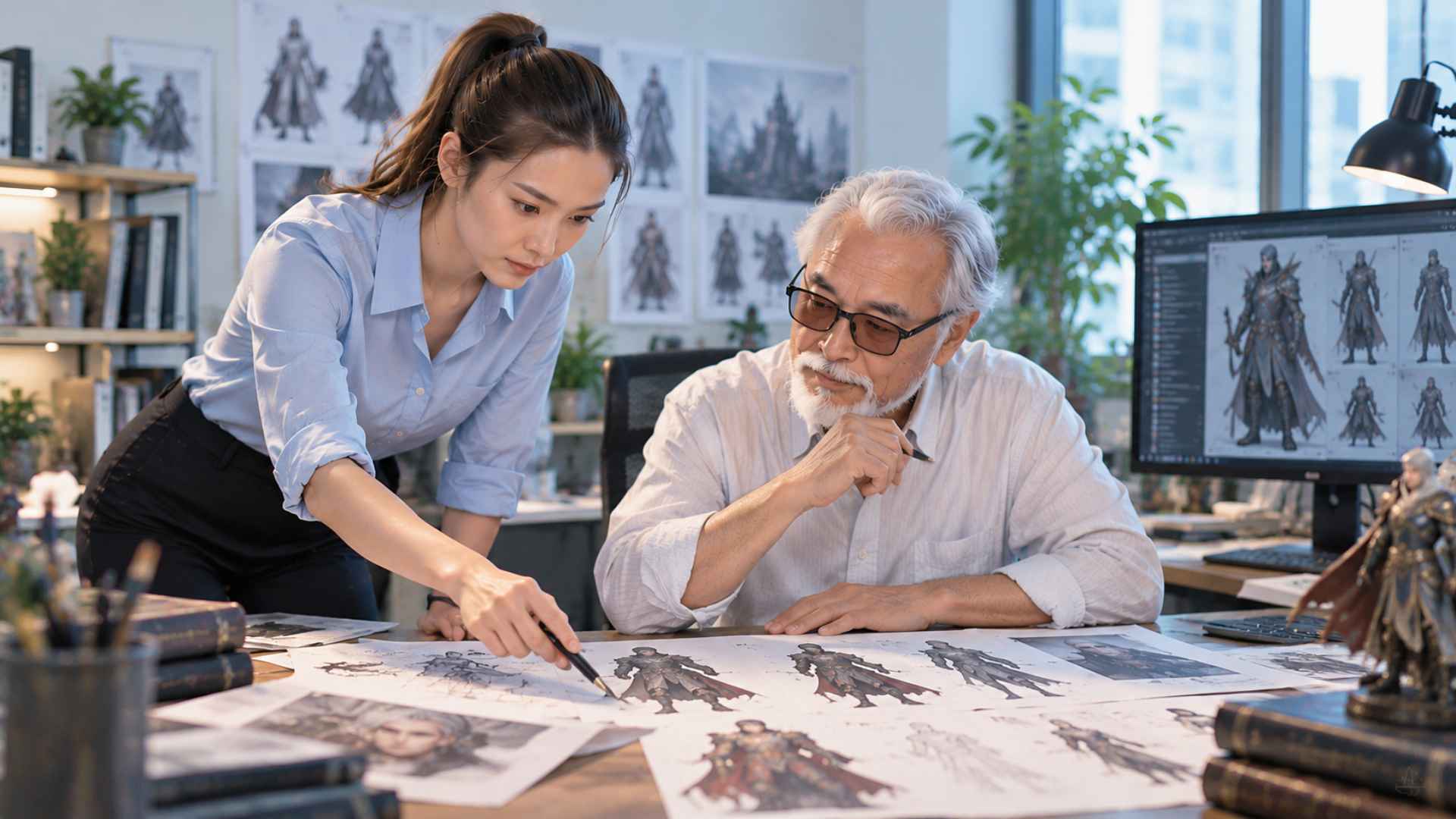
Creating memorable characters is one of the most rewarding parts of building an original fantasy universe. Every character, from a wandering mage to a forgotten royal heir, contributes to the atmosphere, history, and emotional depth of a fictional world. Strong character concepts do more than capture attention through striking appearances. They communicate personality, cultural background, personal struggles, and the role each individual plays within the larger narrative. When visual details and storytelling work together, readers can recognize a character’s identity before understanding their entire backstory. This connection makes character creation an essential part of developing a believable and engaging fantasy setting.
Writers and artists can approach fantasy character design as a creative process that combines imagination with thoughtful worldbuilding. Rather than relying entirely on familiar archetypes, creators can develop distinctive figures by examining their world’s geography, social structures, magical traditions, and historical conflicts. These elements provide a foundation for characters who feel naturally connected to their surroundings. A carefully designed protagonist might carry practical clothing shaped by harsh winters, while an ancient guardian could display physical features influenced by centuries of magical transformation. Such decisions establish visual consistency and help an original fictional world feel authentic, layered, and worth revisiting.
Building Distinctive Characters Through Worldbuilding
A convincing fantasy character begins with the environment they inhabit. Geography, climate, available resources, and local customs can influence everything from physical appearance to clothing choices and everyday behavior. Someone raised in a desert kingdom may wear breathable fabrics, layered head coverings, and protective accessories, while a resident of a mountainous settlement might favor insulated garments, durable boots, and equipment designed for climbing. These details should serve practical purposes rather than exist solely for decoration. By connecting a character’s appearance to their environment, creators establish a clear relationship between individual identity and the wider setting.
Culture also provides valuable opportunities to create recognizable and meaningful character concepts. Different communities may express status through jewelry, hairstyles, tattoos, ceremonial garments, or distinctive materials. A character belonging to an isolated island society could wear ornaments made from polished shells, while a scholar from an ancient magical institution might carry embroidered symbols representing specialized knowledge. However, cultural details become more compelling when they reflect personal choices instead of functioning as generic labels. Characters can follow traditions, challenge expectations, or reinterpret inherited customs according to their beliefs. This tension between cultural identity and individual expression gives fictional people greater depth and creates opportunities for conflict, growth, and meaningful relationships.
Defining Personality Through Visual Details
A character’s appearance should communicate something about their personality, motivations, or emotional condition. Small visual choices often reveal more than elaborate decorations because they suggest habits and experiences that readers can interpret naturally. A disciplined knight might maintain carefully polished armor, whereas an exhausted mercenary could wear repaired equipment with mismatched pieces. A reserved healer may prefer muted colors and modest accessories, while an ambitious court magician might choose dramatic silhouettes that command attention. These distinctions help prevent characters from feeling interchangeable. When visual decisions reflect internal qualities, their designs become storytelling tools that support characterization without requiring lengthy explanations.
Creating a Cohesive Magical Identity
Magic can become a defining feature of an original fantasy world when its visual language follows consistent principles. Instead of giving every spellcaster glowing eyes or elaborate robes, consider how magical abilities affect the body, clothing, tools, and surroundings. A practitioner who manipulates sound might wear ornaments that vibrate during spellcasting, while a character who controls plant growth could carry living vines woven into their sleeves. Magical effects can also reveal limitations, such as temporary discoloration, visible exhaustion, or patterns that appear on the skin after powerful spells. Establishing these rules makes supernatural abilities easier to recognize and prevents magical visuals from feeling arbitrary.
Using Magical Symbols to Communicate Character History
Symbols can connect a character’s personal journey to the mythology of the setting. A faded emblem might identify a disgraced order, while an unusual birthmark could relate to an ancient prophecy or an inherited magical responsibility. These visual elements become particularly effective when their meanings develop throughout the narrative. An object initially presented as a decorative accessory might later reveal a family connection or a forgotten political alliance. To maintain originality, creators should establish their own symbolic systems and explain them through the world’s history, rituals, and conflicts. This approach gives character details narrative significance while encouraging readers to pay attention to visual clues.
Designing Silhouettes That Remain Instantly Recognizable
A strong silhouette helps a character remain identifiable even when small details are hidden. Shape language, body proportions, clothing volume, and signature equipment can distinguish characters who share similar backgrounds or abilities. A broad shouldered guardian with a heavy cloak creates a different impression from a slender illusionist with flowing sleeves and an asymmetrical staff. These differences should remain visible when a character is reduced to a simple outline. Testing silhouettes before adding textures, colors, and accessories allows creators to identify weak concepts early. Distinct silhouettes also improve readability in illustrations, animation, comics, and other visual storytelling formats.
Balancing Familiar Archetypes With Original Concepts
Fantasy audiences recognize familiar roles such as wandering heroes, mysterious seers, rival warriors, and reluctant rulers. These archetypes provide useful foundations because they communicate basic narrative expectations quickly. Originality emerges when creators introduce contradictions, unexpected motivations, or circumstances that challenge those expectations. A feared necromancer might use forbidden magic to preserve endangered species, while a celebrated hero could struggle with an inability to make independent decisions. Such contrasts create complexity without sacrificing clarity. Instead of rejecting every established convention, creators can reshape familiar ideas through distinctive cultural influences, personal histories, and believable consequences within their fictional worlds.
Refining Character Designs for Greater Narrative Impact
Once the initial concept is established, refinement helps ensure that every design choice supports the character’s purpose. Consider whether clothing matches the character’s lifestyle, whether accessories have practical or emotional significance, and whether physical features communicate relevant aspects of their history. A traveling merchant should look prepared for movement and changing conditions, while a secluded oracle might display signs of limited contact with ordinary society. Removing unnecessary decorations can strengthen a design by allowing its most meaningful features to stand out. Consistency matters as well, especially when a character appears across multiple illustrations, chapters, or adaptations. A clear set of visual guidelines helps preserve recognizable traits while allowing natural changes over time.
Feedback and iteration are equally important when developing original characters. Reviewing a design from different perspectives can reveal problems that were difficult to notice during the initial creative process. Creators might compare several costume variations, test alternative color palettes, or examine how a character appears in different lighting conditions. They can also consider whether the design communicates the intended personality without additional explanation. If readers consistently interpret a thoughtful scholar as an aggressive warrior, certain shapes, poses, or accessories may need adjustment. Ultimately, successful fantasy character design balances visual appeal, narrative purpose, and worldbuilding consistency. By grounding imaginative details in meaningful choices, creators can develop distinctive characters who enrich their fictional worlds and remain memorable long after the story ends.