
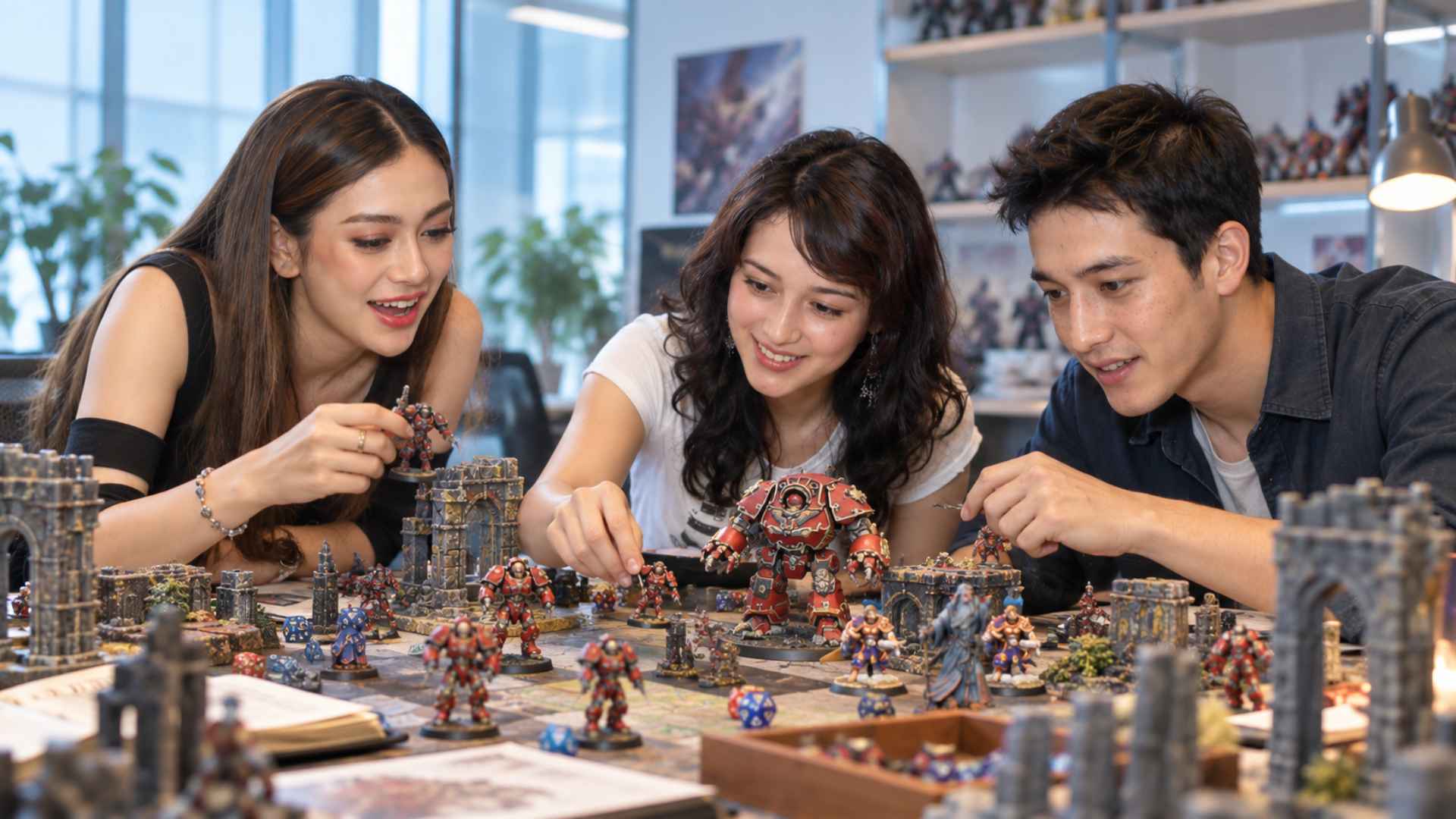
Tabletop gaming offers a unique opportunity for players to step beyond the boundaries of traditional storytelling and become active participants in creating fictional worlds. Instead of following a predetermined narrative, groups can develop characters, cultures, locations, and conflicts together, shaping a setting that reflects everyone’s imagination. This creative process transforms an ordinary gaming session into a shared experience where every decision contributes to a larger story. Whether the group enjoys fantasy roleplaying, science fiction adventures, or mystery driven campaigns, building a world together can make each session more engaging and memorable.
At the heart of this experience is collaborative worldbuilding in tabletop gaming, a creative approach that allows game masters and players to contribute ideas to a shared fictional environment. Rather than placing all creative responsibility on one person, collaborative worldbuilding encourages open communication, collective problem solving, and spontaneous storytelling. Players gain a stronger connection to the setting because they help shape its history, traditions, and future. Meanwhile, game masters benefit from a richer collection of ideas that can inspire unexpected adventures and meaningful character development throughout an ongoing campaign.
Understanding the Foundations of Collaborative Worldbuilding
Collaborative worldbuilding begins with the understanding that a fictional setting does not need to be completely finished before a campaign starts. A game master might introduce a small kingdom, a mysterious forest, or a struggling space colony, leaving room for players to develop additional details through conversation and gameplay. One player might establish that the kingdom celebrates an unusual seasonal festival, while another suggests that the forest contains the ruins of an ancient civilization. These contributions gradually transform a simple premise into a layered setting filled with opportunities for discovery through play.
The process works best when everyone understands the boundaries of the shared creative space. Game masters can establish essential facts, such as the campaign’s central conflict, technological level, or overall tone, while allowing players to invent details that complement the existing framework. This balance preserves narrative consistency without restricting creativity. Clear expectations also prevent disagreements about important elements of the setting. When participants understand which decisions belong to the group and which require the game master’s approval, collaborative storytelling becomes smoother, more inclusive, and easier to maintain across multiple sessions.
Building a Shared Setting Through Player Creativity
Player creativity becomes especially powerful when individual contributions have lasting consequences within the game world. A character’s family background might introduce a powerful merchant organization, while another character’s personal history could reveal tensions between neighboring communities. These details give the game master practical material for developing adventures that feel connected to the players’ identities. Instead of presenting unrelated quests, the campaign can build upon existing relationships, unresolved conflicts, and personal ambitions. As a result, the setting evolves naturally through the choices participants make rather than relying entirely on information prepared before the session.
Creating Meaningful Lore, Cultures, and History
A believable fictional world needs more than interesting locations and impressive landmarks. Its cultures, historical events, social structures, and everyday customs help explain why people behave as they do. During a tabletop campaign, players can contribute legends, religious traditions, political rivalries, and local expressions that make different communities feel distinct. For example, a coastal city might honor sailors who disappeared during an ancient storm, while an inland settlement could preserve a tradition of electing leaders through public storytelling. Such details provide atmosphere while creating potential sources of conflict, cooperation, and character motivation.
Developing Characters Through Shared World History
Character creation becomes more meaningful when personal backgrounds connect directly to the shared setting. Rather than developing a character in isolation, players can collaborate with the game master to establish family ties, former alliances, cultural expectations, or important historical experiences. A ranger might belong to an order responsible for protecting an endangered wilderness, while a scholar could come from a university that hides evidence about the world’s forgotten rulers. These connections give characters reasons to care about the setting and create natural opportunities for personal storylines. Shared history also encourages players to interact beyond their individual objectives because their characters already possess relationships that influence the campaign.
Balancing Creative Freedom With Narrative Consistency
Creative freedom is essential, but a completely unrestricted approach can make a fictional world feel inconsistent. One player might introduce advanced magical technology while another assumes that magic is extremely rare, creating conflicting expectations about how the setting operates. Game masters can address these problems by establishing a few foundational rules and recording important decisions after each session. A shared campaign document can preserve information about geography, major factions, historical events, and established world mechanics. When new ideas appear, the group can discuss how they fit existing lore. This simple practice protects continuity while ensuring that creativity remains a collaborative process rather than a competition for control.
Using Conflict to Encourage Collaborative Storytelling
Conflict gives a shared world opportunities to change and develop over time. Disagreements between kingdoms, competition between guilds, environmental threats, and cultural misunderstandings can all provide compelling material for tabletop adventures. Players can help shape these conflicts by deciding which factions deserve sympathy, what historical events created existing tensions, and how their characters might influence future outcomes. Importantly, conflict does not always need to involve combat. Negotiations, moral dilemmas, political compromises, and community decisions can reveal different perspectives while encouraging meaningful roleplaying. When players influence how conflicts develop, the campaign becomes a dynamic narrative shaped by collective decisions rather than a sequence of predetermined encounters.
Practical Ways to Keep Collaborative Worldbuilding Engaging
Maintaining an evolving fictional world requires simple, repeatable creative practices. At the beginning of a campaign, groups can hold a session dedicated to establishing the setting’s basic premise, major themes, and shared expectations. During regular sessions, game masters can ask open ended questions that invite contributions without interrupting the action. Questions about local customs, rumors, historical landmarks, or faction relationships often generate useful ideas in just a few minutes. Players can also maintain a shared digital document where they record important discoveries, memorable characters, and newly established facts. These resources reduce preparation pressure and help everyone remain connected to the developing world.
Another effective technique is to give player contributions visible consequences. If the group creates a struggling village, later sessions might reveal how its economy changes after the characters help local merchants. If players establish a rivalry between two influential families, that relationship can eventually affect political negotiations or determine access to valuable resources. Recognizing these contributions demonstrates that the group’s creativity matters beyond a single conversation. Game masters should also make room for quieter participants by inviting suggestions without pressuring anyone to speak. By combining consistent documentation, thoughtful questions, and meaningful consequences, groups can sustain collaborative worldbuilding across campaigns of different lengths and complexity.
Why Collaborative Worldbuilding Strengthens Tabletop Campaigns
Collaborative worldbuilding can transform tabletop gaming into a more personal and rewarding creative experience. When players contribute to the setting, they develop stronger emotional connections to its people, locations, and ongoing conflicts. Their ideas also give game masters a broader foundation for creating unexpected encounters, memorable characters, and storylines that reflect the group’s interests. This shared investment often encourages greater participation because players can see how their decisions influence the direction of the campaign. Over time, even small contributions can develop into important parts of the world’s identity.
Ultimately, successful collaborative worldbuilding depends on trust, communication, and a willingness to build upon one another’s ideas. A memorable campaign does not require an elaborate setting filled with centuries of carefully documented history before the first session begins. It needs a compelling starting point, a few consistent foundations, and players who feel comfortable contributing to the creative process. By balancing individual imagination with shared narrative goals, tabletop groups can create fictional worlds that grow naturally through play. The result is an evolving adventure in which every participant helps shape not only the story but also the world that makes the story possible.