
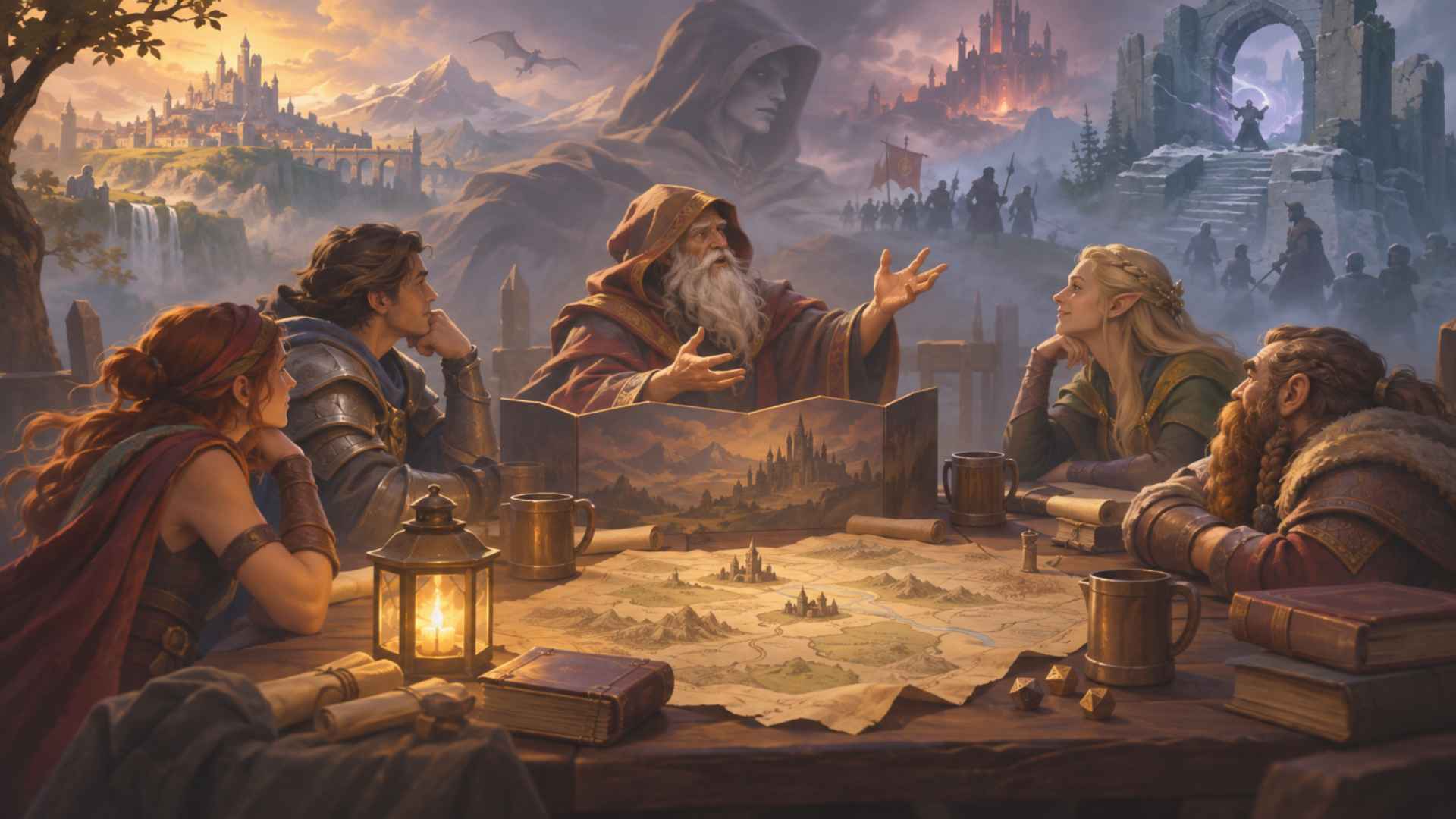
A great role playing game (RPG) campaign is about more than fighting monsters, collecting rewards, or completing quests. It is about creating a world where players feel connected to the characters, invested in the story, and excited to see what happens next. Strong storytelling can turn a simple gaming session into an unforgettable adventure.
Game masters can use different storytelling techniques to make every session more interesting and meaningful. From creating memorable characters to building unexpected plot twists, the right approach helps keep players involved while giving them more reasons to care about the world around them.
Build A Rich Story With Memorable Characters
Memorable characters are the heart of every engaging RPG campaign. Instead of making every NPC simply provide information or offer quests, give them unique personalities, personal goals, and interesting backgrounds. A friendly merchant might secretly work for a powerful enemy, while a quiet village guard could have a personal connection to the party’s past. These small details make characters feel more realistic and give players something worth remembering.
It is also important to create characters with clear motivations and believable weaknesses. Not every hero needs to be brave, and not every villain needs to be completely evil. When characters have personal struggles, conflicting interests, and emotional reasons behind their actions, players can connect with them more naturally. This creates better conversations, stronger relationships, and unexpected moments throughout the campaign.
Create Meaningful Choices And Unexpected Story Developments
Player choices should have a real impact on the direction of an RPG campaign. Rather than forcing everyone to follow a fixed storyline, give players opportunities to make decisions that change relationships, affect locations, or influence future events. For example, saving a small village might cause another settlement to lose valuable protection. Choices like these make players feel that their actions matter and encourage them to think carefully before making decisions.
Unexpected story developments can also keep an RPG campaign exciting. A trusted ally might reveal a hidden secret, a simple mission could lead to a much bigger conflict, or an enemy might become an unexpected friend. However, plot twists should feel connected to the existing story instead of appearing without explanation. Adding small clues along the way makes surprising moments more satisfying and gives players a reason to pay attention.
Use Character Backstories To Shape The Main Plot
Character backstories are useful storytelling tools that can make an RPG campaign feel more personal. Connect each player’s history to important locations, major conflicts, or supporting characters in the game world. A character searching for a missing sibling might uncover a secret organization, while another trying to escape their past could face an old enemy. These connections give players personal reasons to stay involved in the adventure.
Build Tension Through Mystery And Suspense
Mystery and suspense encourage players to stay curious about what might happen next. You can introduce strange events, unexplained disappearances, hidden messages, or mysterious figures who appear at important moments. Instead of revealing every answer immediately, share information gradually as the campaign progresses. This storytelling approach gives players opportunities to investigate, discuss theories, and become more invested in uncovering the truth.
Balance Action With Emotional Moments
An engaging RPG campaign needs more than constant battles and dangerous encounters. Give players quieter moments to celebrate victories, talk about their experiences, build friendships, or deal with personal losses. These emotional scenes create a natural balance between action and character development. When players have time to connect with the world and each other, major battles and important story events often become more meaningful.
Create An Immersive World That Keeps Players Invested
A believable game world makes storytelling more enjoyable because players can imagine themselves living inside the adventure. Add details about local traditions, political conflicts, important landmarks, and everyday life in different locations. You do not need to explain everything at once. Let players discover these details naturally through conversations, exploration, and their own decisions. Small world building elements can make even a simple town feel like a real place with its own history and personality.
Good storytelling also depends on understanding what makes your players excited. Some enjoy solving mysteries, while others prefer character interactions, challenging combat, or unexpected adventures. Pay attention to their reactions and adjust the campaign when necessary. By combining interesting characters, meaningful choices, emotional moments, and a living game world, game masters can create RPG campaigns that feel personal, exciting, and memorable from one session to the next.