
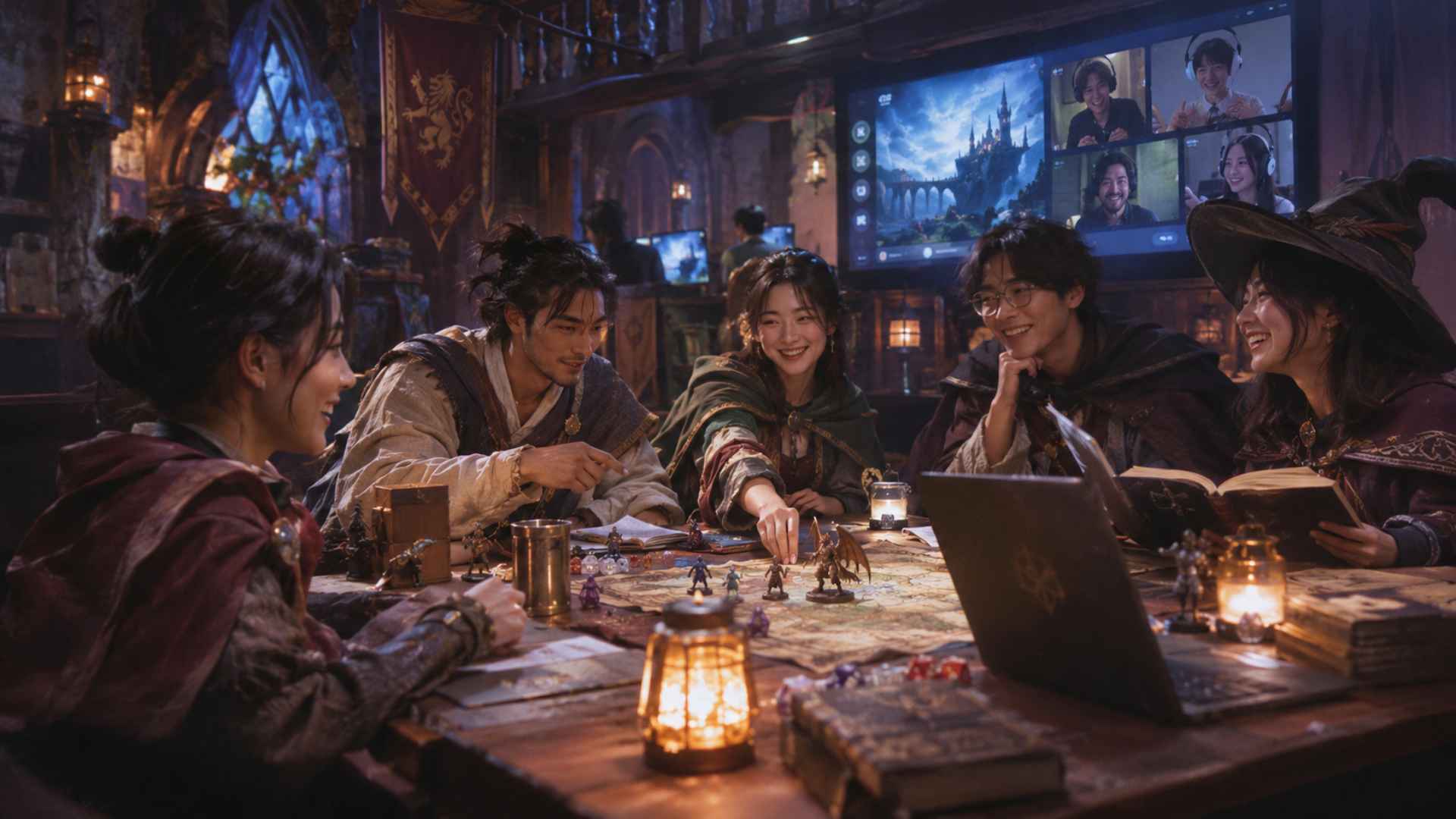
Fantasy roleplaying has become an important part of modern gaming culture, bringing people together through shared stories, imaginative worlds, and creative experiences. What once mainly took place around a physical table has expanded into online communities, virtual platforms, and digital gaming environments. Players can now create characters, explore fictional settings, and take part in adventures with others regardless of their location. This growing interest shows how gaming is becoming more than an individual activity. It is also a way for people to connect, communicate, and enjoy meaningful experiences through shared imagination.
The popularity of fantasy roleplaying is closely connected to the growth of collaborative gaming spaces. These environments allow participants to contribute ideas, make decisions, and influence how a story develops. Unlike traditional games that follow a fixed sequence of events, roleplaying encourages interaction between players. Everyone has an opportunity to shape the experience, making each session different. As technology continues to improve, collaborative gaming spaces are becoming more accessible, giving established players and newcomers more opportunities to participate.
The Evolution Of Fantasy Roleplaying In Modern Gaming Culture
Fantasy roleplaying has a long history, with tabletop games helping establish many of the ideas that remain popular today. One major milestone was the release of Dungeons & Dragons in 1974, which introduced a structured approach to character creation, storytelling, and cooperative adventures. Players could take on different roles, develop their abilities, and work together to overcome challenges. Instead of competing against one another, participants often shared responsibility for completing quests and developing the story. This format helped establish roleplaying as a social gaming activity built around imagination and teamwork.
Over time, fantasy roleplaying expanded beyond traditional tabletop sessions. Computer and console games introduced digital versions of fantasy worlds, allowing players to experience quests, character progression, and fictional environments through interactive technology. Online multiplayer games later made it possible for people to explore these worlds together in real time. This development changed how players interacted with fantasy settings. Gaming was no longer limited by physical distance or a shared schedule at one location. Communities could grow across countries, creating new opportunities for cooperation, discussion, and long term participation.
How Collaborative Gaming Spaces Bring Players Together
Collaborative gaming spaces provide an environment where players can communicate, exchange ideas, and contribute to shared activities. These spaces include online roleplaying communities, multiplayer servers, virtual tabletop platforms, and dedicated discussion groups. Each environment offers different ways to participate, depending on individual interests and preferred gaming styles. Some players enjoy organized campaigns with regular sessions, while others prefer open communities where they can create characters and interact whenever they have time. This flexibility makes collaborative gaming appealing to people with different schedules, backgrounds, and levels of experience.
Communication plays an important role in keeping these communities active. Players often use voice chat, text messaging, forums, and virtual meeting tools to coordinate activities and develop stories. These interactions encourage teamwork because participants must understand different perspectives and respond to decisions made by other members. A successful roleplaying session often depends on listening, cooperation, and respect for everyone’s contribution. Beyond the game itself, regular interaction can also help build friendships and a sense of belonging. For many participants, the social experience becomes just as enjoyable as completing quests or developing characters.
The Role Of Technology In Expanding Shared Fantasy Worlds
Technology has made collaborative fantasy roleplaying easier to organize and access. Virtual tabletop platforms allow players to use digital maps, character sheets, dice tools, and visual resources during online sessions. Video conferencing and voice communication applications also help groups maintain conversations when meeting in person is not practical. These tools reduce some of the logistical challenges associated with traditional tabletop gaming. Players can join campaigns from different locations without needing to travel or gather in the same room. As a result, smaller gaming groups can maintain regular activities even when their members have busy schedules.
Another important development is the growth of massively multiplayer online roleplaying games, commonly known as MMORPGs. These games bring large numbers of participants into shared virtual environments where they can complete missions, trade items, join guilds, and participate in group activities. Games such as World of Warcraft and Final Fantasy XIV demonstrate how online fantasy settings can support long term communities. Players often develop social connections through repeated cooperation, shared achievements, and community events. These experiences show that collaborative gaming can extend beyond individual sessions and become an ongoing part of people’s entertainment routines.
Despite these opportunities, healthy collaborative gaming spaces require clear communication and responsible community management. Different players may have different expectations regarding storytelling, competition, participation, and personal boundaries. Establishing basic rules can help prevent misunderstandings and create a more welcoming environment. Moderation, respectful discussions, and fair treatment are especially important in online communities where members may come from different cultures and age groups. Accessibility also matters because gaming platforms should provide reasonable ways for people with different abilities and technical resources to participate. When communities pay attention to these factors, more players can enjoy the experience comfortably.