
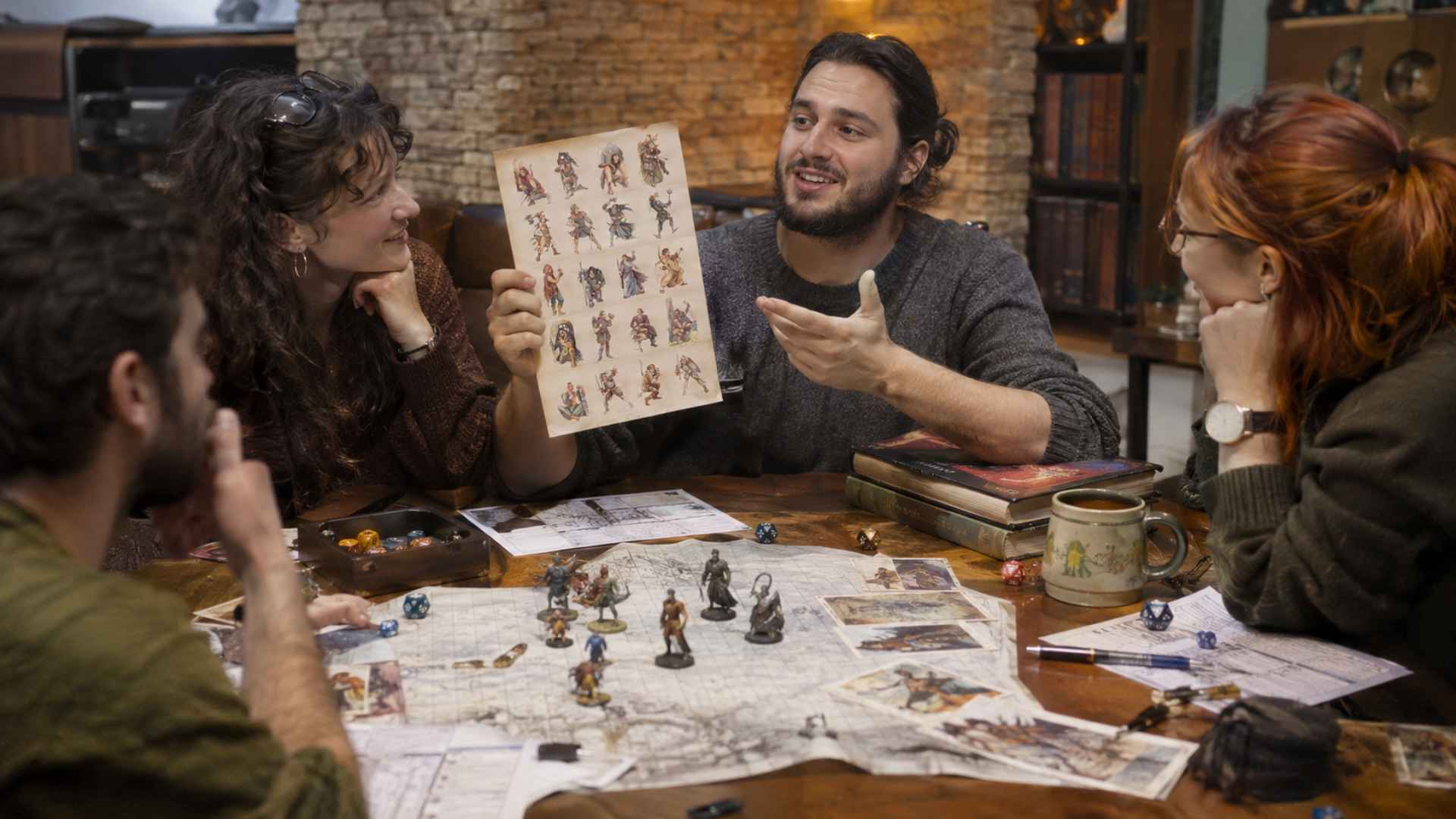
Tabletop role playing games offer players the chance to create unique characters with different abilities, personalities, and roles. One of the most important parts of character creation is choosing a class and archetype. These choices help define how a character behaves during adventures, handles dangerous situations, and works with other members of the party. Whether someone prefers fighting powerful enemies, casting spells, supporting teammates, or solving difficult problems, there is usually a suitable option available.
Character classes and archetypes also give tabletop RPGs much of their variety. Games such as Dungeons & Dragons and Pathfinder use different character systems to create distinct gameplay experiences. Understanding how these options work can help players build characters that match their preferred playstyle while contributing something useful to their adventuring group.
Understanding Character Classes in Tabletop RPGs
Character classes describe the main role, abilities, and general progression of a player character. In many tabletop RPG systems, a class determines important features such as combat skills, spellcasting abilities, equipment proficiency, and special talents. For example, a Fighter usually focuses on physical combat, while a Wizard specializes in magical knowledge and spellcasting. These differences create clear gameplay identities and give players several ways to approach challenges.
Classes also influence how characters develop throughout a campaign. As characters gain experience or reach higher levels, they may unlock stronger abilities, additional spells, improved combat techniques, or useful defensive features. Some systems allow players to customize their characters through additional choices, while others provide more structured progression. This means two characters from the same class can still feel different depending on their abilities, equipment, background, and personal decisions during the campaign.
Popular Character Classes and Their Main Roles
Warriors, Fighters, Barbarians, and Paladins are common choices for players who enjoy direct combat. Fighters generally offer flexibility with weapons, armor, and fighting styles, making them useful in many situations. Barbarians often rely on physical strength, durability, and powerful attacks, while Paladins combine martial abilities with divine magic and protective features. These classes are frequently positioned near the front of an adventuring party, where they can defend allies and confront dangerous opponents.
Other classes focus on magic, exploration, knowledge, or support. Wizards and Sorcerers use different approaches to spellcasting, with Wizards typically learning magic through study and Sorcerers drawing on innate magical abilities. Clerics often combine healing and divine spells with combat options, while Rogues specialize in stealth, precision, and useful skills. Rangers commonly excel at tracking, wilderness exploration, and ranged combat. Bards add versatility through magic, skills, and abilities that support their companions. Each class provides a different contribution, allowing parties to handle a wider range of encounters.
Character Archetypes and Their Impact on Gameplay
Character archetypes describe particular approaches, specialties, or identities within a broader character concept. While a class establishes the general foundation, an archetype can make that character more distinctive. In some tabletop RPGs, archetypes are selected through subclasses, class paths, specializations, or similar customization systems. For example, a Fighter might become a skilled tactical commander, a defensive guardian, or a specialist in powerful weapon techniques. The exact options depend on the game and its rules.
Archetypes can also influence how players approach encounters and interact with the game world. A stealth focused Rogue may prefer avoiding direct confrontation, gathering information, and finding opportunities for precise attacks. A defensive Paladin might concentrate on protecting companions and maintaining the group’s position during difficult battles. Meanwhile, a nature focused Druid could use environmental magic, animal transformations, and wilderness knowledge to solve problems. These variations allow characters with similar basic roles to develop different personalities and tactical strengths.
Choosing an appropriate archetype involves considering both mechanical abilities and personal storytelling preferences. Players should think about what they enjoy doing during a session, whether that means dealing damage, protecting allies, casting complicated spells, or finding creative solutions outside combat. It is also useful to consider the existing party composition. A group with several damage focused characters might benefit from someone who provides healing, control, or defensive support. However, tabletop RPGs are designed to encourage creativity, so players do not always need to follow traditional party roles. A well developed character can contribute through decisions, relationships, and imaginative problem solving as much as through class abilities.